


Why Finish Your Basement? Real Benefits for Real Properties
Most property owners look at their unfinished basement and see storage space. We see potential.
Unlock extra living space without the expense and complexity of building an addition. Add bedrooms for growing families or aging parents. Create rec rooms where kids can actually be loud. Set up dedicated offices that separate work from the rest of your house. Build rental suites that generate monthly income.
According to national renovation data, basement finishing recoups around 70% of their cost at resale. That's significant, but the real value shows up in daily use. A finished underground living area increases your property’s functional square footage, and creates a comfortable, usable space that improves everyday life.
Make use of underutilized space with professional moisture control, insulation, and finishing services. Below-grade spaces in Woodbridge and Northern Virginia deal with specific challenges—groundwater, humidity, temperature fluctuations. We address these upfront so your finished space stays dry and comfortable year-round.
Customize to match your lifestyle. Entertainment area with a wet bar for hosting friends? Private theater room with acoustic treatments? Gym so you don't need that expensive membership? Playroom that keeps toys contained? Guest suite with a full bathroom? The choice is yours, and the space is already there waiting.
Comprehensive Basement Remodeling Services
Here's what we can do with your lower-level space through our full range of services. From basic upgrades to custom basement design and completely custom builds.
Full Basement Finishing
The foundation work: framing walls to create defined rooms, installing drywall and ceiling systems and completing essential installation basement tasks that prepare the space for finishing. (drop ceilings, drywall ceilings, or exposed beams depending on your preference and ceiling height).
Flooring options include carpet, luxury vinyl planks, or engineered hardwood. Each has trade-offs. Carpet feels comfortable underfoot but shows wear in high-traffic areas. Vinyl planks are waterproof and durable. Ceramic or stone flooring works well for moisture-prone lower-ground spaces. We help you choose based on how you'll use the space.
Insulation and vapor barrier installation keep the space comfortable and protect against moisture intrusion. Proper insulation in below-grade walls makes a noticeable difference—without it, finished underground rooms feel cold and cost more to heat.
Custom Layouts & Add-Ons
Extra bedrooms or guest suites with egress windows—ideal for a guest suite lower-level conversion that adds comfort and value (required by code for below-ground bedrooms—safety issue in case of fire or emergency). We handle the permitting and coordinate window well installation.
Home offices with proper lighting and electrical for computers, printers, and equipment. Gyms with rubber flooring and ventilation for a complete home gym remodel experience. Playrooms designed to contain the chaos. Media rooms or entertainment spaces with wiring for surround sound and projectors.
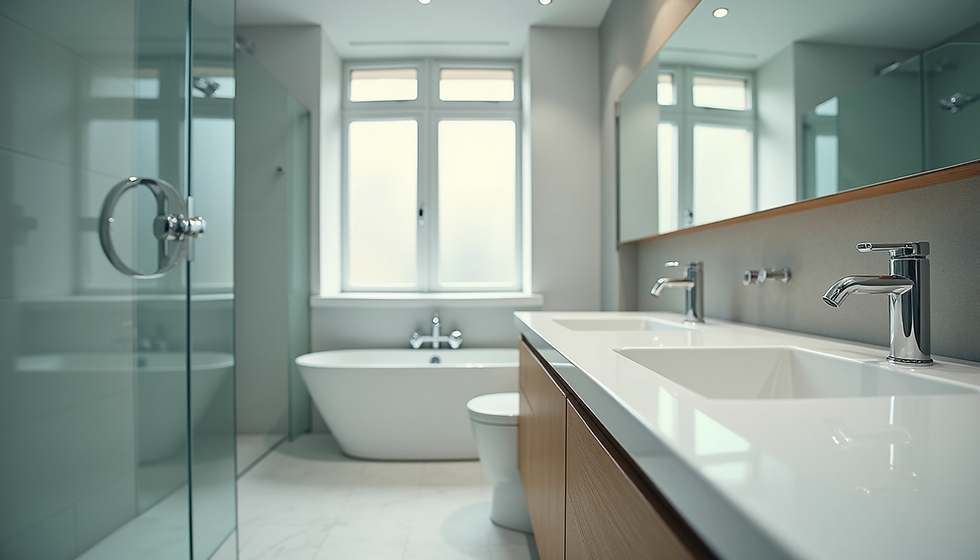
Wet bars or kitchenette setups turn your underground living area into genuine entertaining space. Bathrooms if your plumbing configuration allows (some spaces below ground level need ejector pumps for waste removal, others can gravity-drain to existing sewer lines). Storage closets and dedicated laundry rooms that free up space elsewhere in your living space.
Finishing Touches & Comfort Upgrades
Trim, baseboards, painting, interior doors—the details that showcase our high-quality craftsmanship and make a space feel complete rather than unfinished. Built-ins for entertainment centers, closets with organization systems, custom shelving.
Flooring transitions between different surface types. Acoustic treatments or soundproofing for private theaters or music rooms (optional but makes a real difference). Proper door seals and weatherstripping if you have an exterior lower-ground entrance.
Wet Bars, Kitchens, and Built-Ins
Custom cabinetry, countertops, bar or island installations. Sinks, plumbing fixtures, lighting, open shelving for glassware. We've built everything from simple beverage stations to full kitchenettes with ranges and full-size refrigerators, all crafted with the attention to detail Vale Construction is known for.
A recent renovation in Lake Ridge involved converting an unfinished underground living area into a rental suite with a small kitchen, full bathroom, separate entrance, and bedroom—now generating $1,400 monthly for the property owner. That's real value.
Tailored storage and organization solutions include built-in shelving, closet systems, under-stair storage, and entertainment centers designed to fit your exact equipment and dimensions.
Lighting, Electrical & HVAC
Recessed lighting for clean, modern looks. Accent lighting to highlight design features. Smart lighting control if you want programmable scenes or voice control.
Proper HVAC adjustments ensure your finished below-floor suite space gets adequate heating and cooling. Many older properties have HVAC systems sized for the main floors only—adding a living space below ground level without adjusting airflow leaves you with an uncomfortable space. We assess your system and recommend solutions (additional vents, zone controls, or supplemental heating/cooling if needed).
Updated electrical wiring and outlets according to current code. Spaces below ground level typically need more circuits than originally installed. We add dedicated circuits for entertainment systems, office equipment, kitchen appliances, and general use.

Remodeling That Works — Engineered for Safety, Comfort & Longevity
The difference between a good lower-level remodel and one that causes problems comes down to addressing fundamentals.
Moisture management is non-negotiable. Waterproofing, vapor barriers, proper drainage if you're dealing with groundwater issues. We've seen too many finished basements ruined by water intrusion that could have been prevented. If your lower-ground area has moisture problems now, we identify and fix the source before developing it further (exterior drainage, sump pump installation, foundation sealing, gutter adjustments—whatever's needed).
Code-compliant work means framing meets structural standards, electrical work is done by licensed electricians and inspected, egress windows are properly sized and installed for sublevel bedrooms, and permits are pulled when required by Prince William County.
Insulation and climate control for year-round comfort. Uninsulated underground walls feel cold against your back when you're sitting on the couch. Proper insulation (foam board or spray foam on foundation walls, batt insulation in framed walls) creates a comfortable environment and reduces energy costs.
Experienced, licensed contractors oversee every phase—no piecemeal workmanship where one person frames, someone else does electrical, and nobody's coordinating the overall renovation. We manage all trades and ensure quality standards throughout.

Our Streamlined Remodeling Process
Sublevel transformations involve your entire lower floor. Here's how we minimize disruption and keep the renovation moving.
Initial Consultation & Basement Assessment
Our process begins with an in-home consultation where we measure the space, identify challenges like moisture issues or low ceiling height, assess existing mechanicals (furnace, water heater, electrical panel placement), and discuss your goals. What do you want to use this space for? How many people will use it regularly? What's your budget range?
Design & Plan
Layout proposals showing room configurations, door and window placement, lighting plans, and traffic flow. Material and finish selections for flooring, ceiling, paint, trim, fixtures. Optional upgrades like wet bars, bathrooms, or custom built-ins.
Estimate & Scheduling
Transparent quote covering all phases—demolition if needed, framing, insulation, drywall, flooring, ceiling, electrical, plumbing (if applicable), painting, and final detailing. Timeline with milestones so you know when each phase happens.
Building & Finishing
Framing to create room layouts. Insulation and vapor barriers. Rough-in for electrical and plumbing. Drywall installation and final smoothing. Floor and ceiling installation. Painting. Trim and doors. Final fixtures, lighting, and built-ins. Clean work areas throughout (lower-ground spaces get dusty during the build—we contain and clean regularly).
Final Walkthrough & Handover
Quality inspection to confirm everything meets our standards. Walkthrough with you to review the completed space and address any concerns. Final cleaning. Punch-list adjustments for any small items needing attention. Guidance on maintaining your new space.
What Sets Us Apart — Local, Reliable, Results-Driven
As a trusted remodeling company, Vale Construction knows not all basement contractors are equal. Here's what local residents tell us matters.
Property owners across Woodbridge rely on our licensed and insured team for residential remodeling done to local code and construction standards. We know the local building department's expectations, typical basement configurations in neighborhoods around here, and common issues with properties built in different decades.
Transparent pricing with detailed scope and line-item costs before work begins. You'll see exactly what you're paying for—materials, labor for each phase, permits, disposal. No vague estimates that balloon once work starts.
Dedicated project management means one point of contact from start to finish. You're not calling different people for updates or trying to figure out who handles what. Your lead contractor coordinates all trades, manages scheduling, and keeps you informed.
Respect for your property shows up in daily practices. Clean work sites with regular debris removal. Protective coverings over floors and stairs. Minimal disruption to your main living areas. Communication at every step so you're not surprised by noise, delivery trucks, or timeline changes.
Long-term quality over shortcuts. We've repaired enough basement remodels done by cheap contractors to know what fails. Improper moisture barriers that let water seep through. Inadequate insulation that leaves spaces cold. Electrical work that doesn't meet code. Framing that wasn't done to structural standards. We do it right the first time.


Before & After Basement Project Gallery
Finished Rec Room – Woodbridge
Problem: Dark, damp unfinished basement used only for storage
Solution: Moisture barrier, insulation, drywall, carpet, recessed lighting, built-in entertainment center
Outcome: Comfortable family gathering space that gets daily use
Guest Suite with Bathroom – Dale City
Problem: Needed space for visiting family without disrupting main floor
Solution: Bedroom with egress window, full bathroom with shower, small sitting area
Outcome: Private guest accommodations that increased property value
Home Office & Gym – Lake Ridge
Problem: Working remotely without dedicated office space
Solution: Partitioned basement into office with built-in desk and gym area with rubber flooring
Outcome: Separate work environment and convenient workout space
Entertainment Area with Wet Bar – Montclair
Problem: Wanted entertaining space separate from main living area
Solution: Open floor plan with wet bar, cabinetry, countertops, bar seating, surround sound wiring
Outcome: Perfect hosting space for game nights and gatherings
Rental Suite – Dumfries
Problem: Needed income to offset mortgage
Solution: Studio layout with kitchenette, bathroom, separate entrance, egress window
Outcome: Generating $1,300 monthly rental income
Serving Woodbridge & Nearby Communities
As part of our home renovation services in Woodbridge, VA, we remodel lower-level spaces throughout Woodbridge, Lake Ridge, Dale City, Montclair, Dumfries, and across Prince William County and Northern Virginia.
Our familiarity with local permitting rules means we know when permits are required and how to navigate the approval process efficiently. We understand soil and water table considerations specific to this area (groundwater is more of an issue in some neighborhoods than others). We're experienced with typical below-ground layouts in local properties—split-levels common in Dale City, ranches in Lake Ridge, townhomes in Woodbridge where access and ceiling height present unique challenges.
Properties built in different decades also show clear below-grade structural differences. 1970s structures often have poured concrete walls with minimal waterproofing. 1980s builds might have block walls. Newer properties typically have better moisture management but may have lower ceiling heights. We adjust our approach accordingly.

Ready to Make Your Basement Work for You?
Your lower level is either wasted space or an asset. Vale Construction helps you turn it into the latter.
Send us photos of your current downstairs living space, ideas or inspiration images you've collected, or just a description of what you want to accomplish. Thinking about an extra bedroom for a teenager who needs their own space? Private theater where you can actually enjoy movies? Rental suite to generate income? A dedicated office so you can finally close the door on work at the end of the day?
We're committed to quality work, realistic timelines, and transparent communication throughout the project. You'll know what's happening, when it's happening, and what to expect next.
The result is more than just a finished room. It's useful, livable, valuable space that makes your living environment work better for your life.
Request Your Free Basement Remodeling Estimate
Feel Free to contact us